Gardening can be therapeutic, eco-friendly, and deeply rewarding. But how do you start cultivating your own green sanctuary, and what does it take to succeed?
Table of Contents
The Perfect Recipe for a Thriving Garden. Whether you’re growing vegetables, herbs, or flowers, understanding gardening basics like timing, soil health, and seasonal planting is essential. According to NASA, plants reduce stress by up to 30%, making home gardens a wellness powerhouse.
Materials & Supplies
Essential Tools:
– Quality soil (organic compost or potting mix)
– Seeds or starter plants
– Shovel, trowel, and hand rake
– Watering can or drip irrigation system
– Gloves and knee pads
Optional Upgrades:
– Mulch for moisture retention
– pH testing kit
– Trellises/climbing supports
– Grow lights (for indoor setups)
Timing / Process Schedule
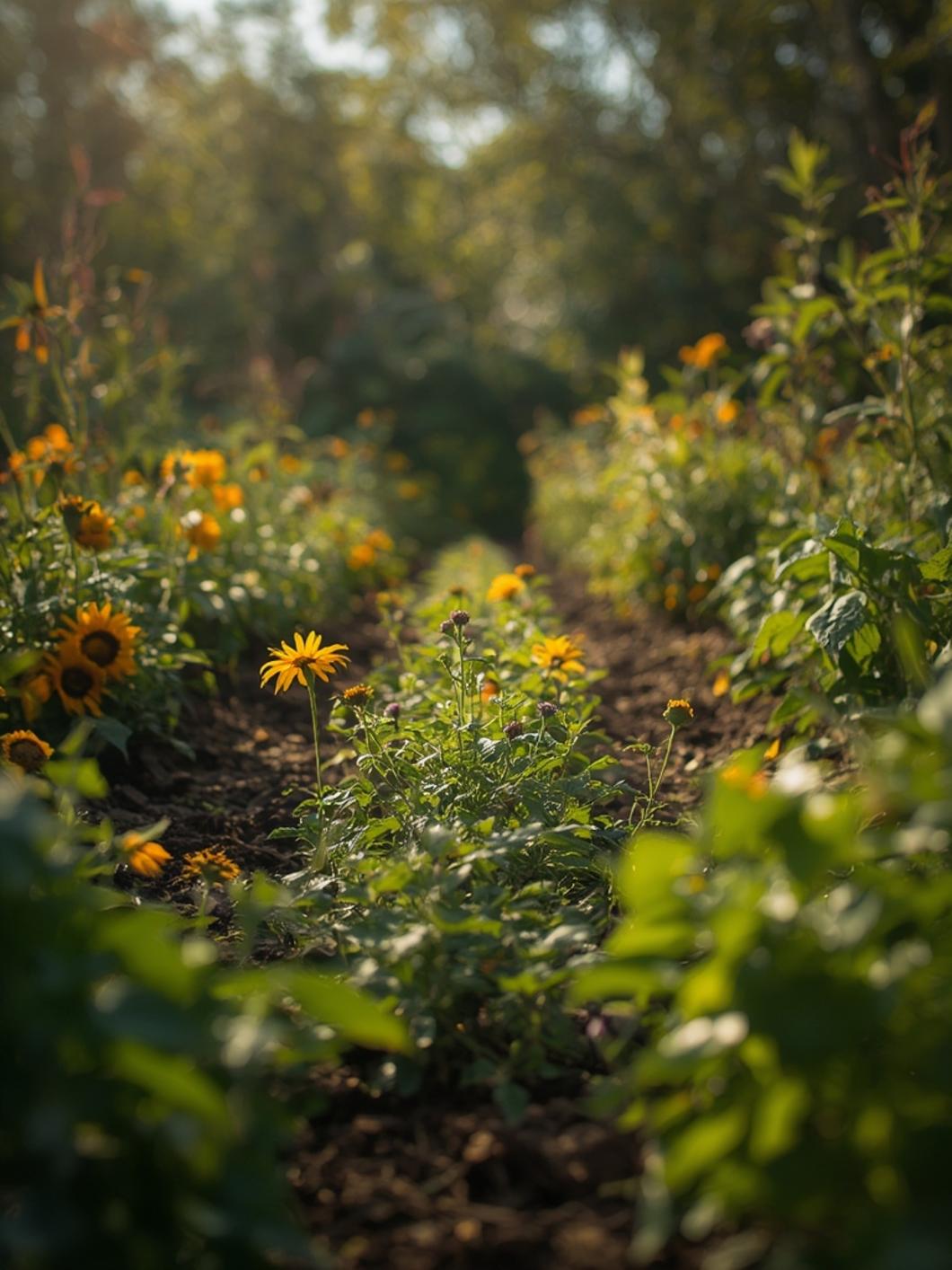
– Preparation: 1–2 weeks (soil testing, bed setup)
– Planting Window: Spring or fall (varies by crop)
– Growth Duration: 6–12 weeks for most veggies
– First Harvest: 8–10 weeks for fast-growing greens
Tip: Cool-season crops like lettuce thrive in early spring, while tomatoes need warmer soil.
Step-by-Step Instructions
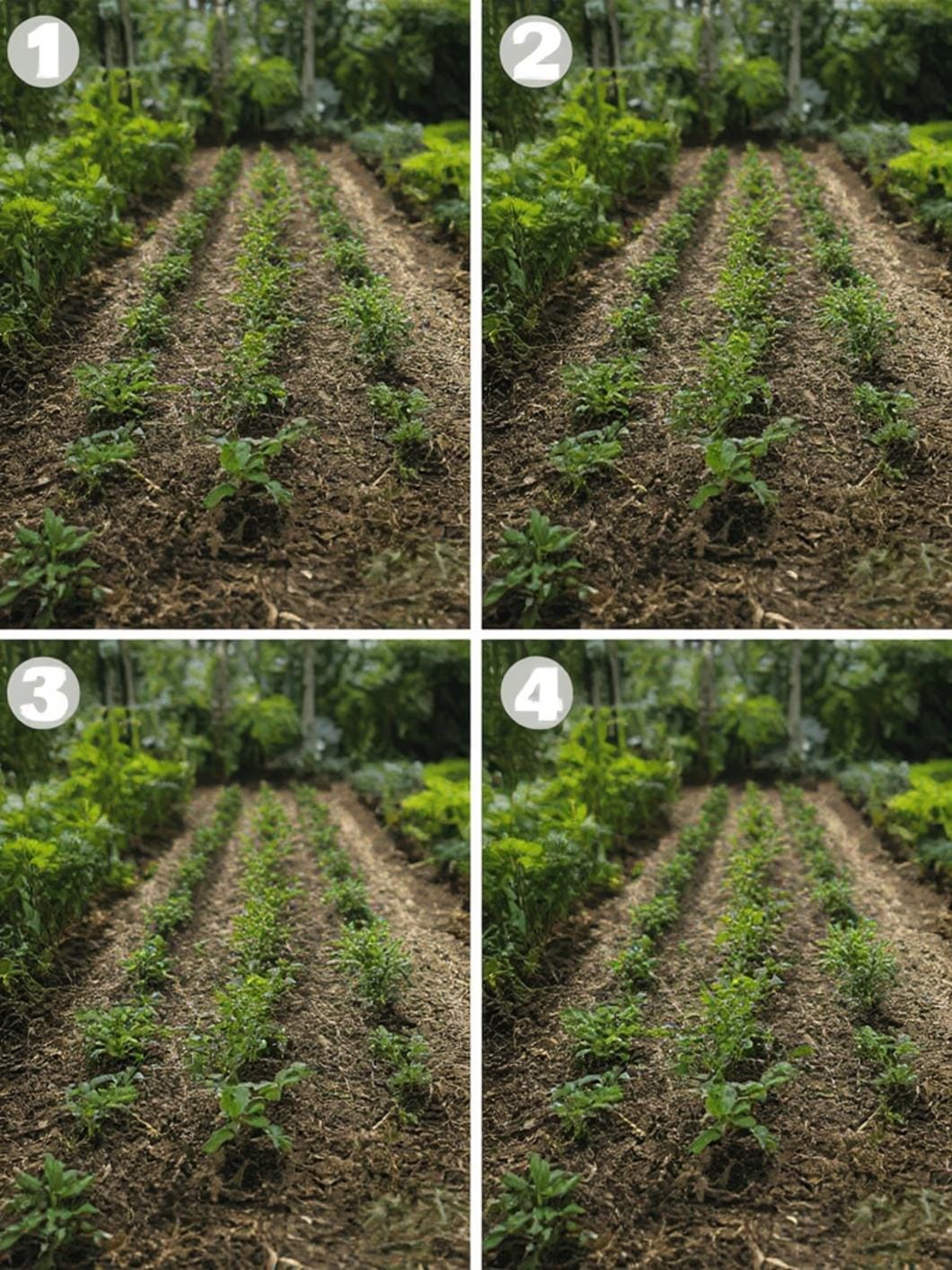
1. Choose Your Space
– Aim for 6+ hours of sunlight daily. No yard? Try container gardening on balconies.
2. Prepare the Soil
– Mix compost into the soil for nutrients. Test pH (ideal range: 6.0–7.0).
3. Plant Strategically
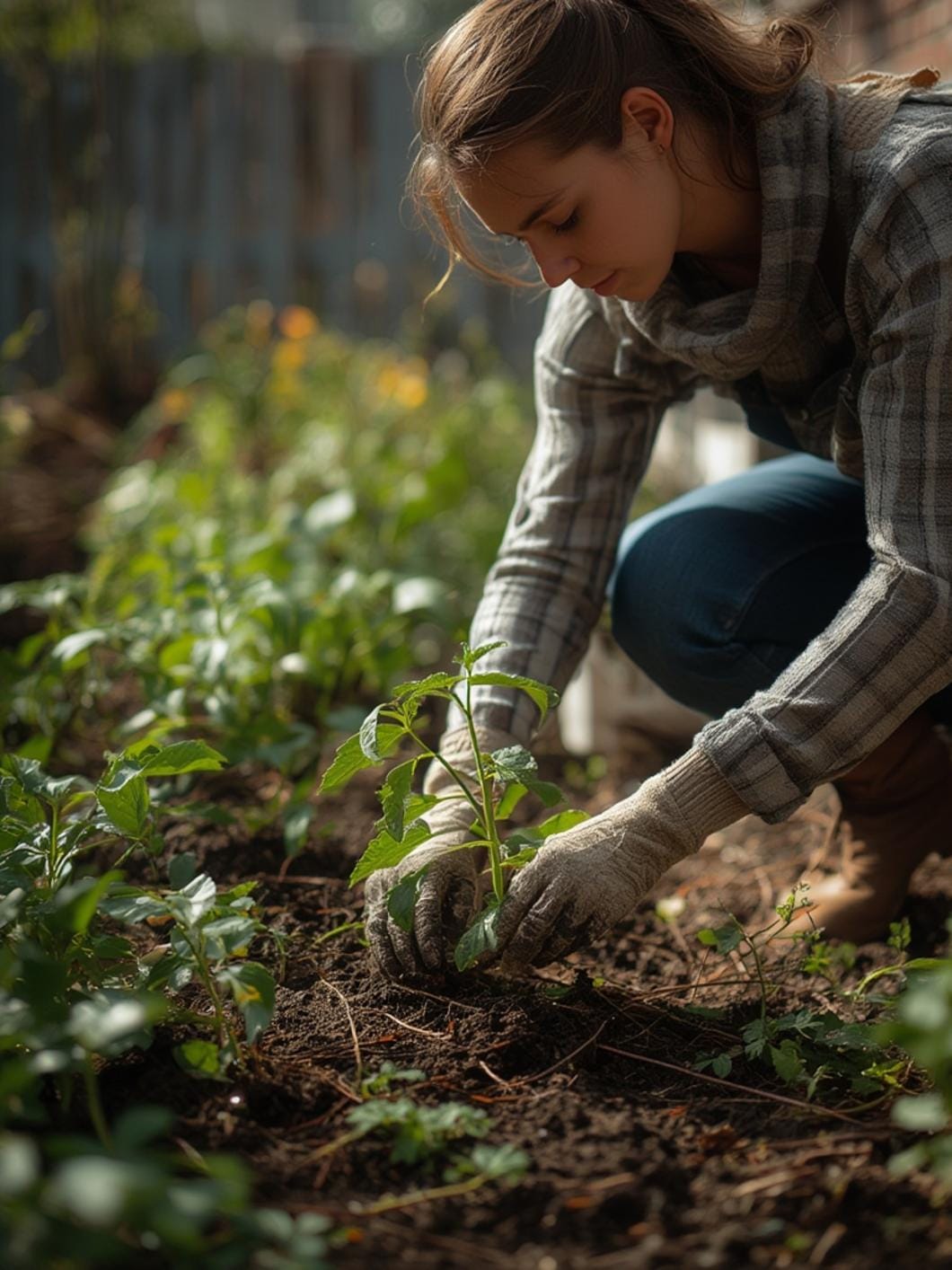
– Follow seed depth/spacing guidelines. For planting seedlings, dig holes twice the root size.
4. Water Wisely
– Morning watering reduces evaporation. Avoid soaking leaves to prevent fungus.
5. Monitor & Adjust
– Check for pests weekly. Use natural repellents like neem oil.
Benefits / Advantages
– Cost Savings: Grow $500+ worth of produce annually from a 100 sq ft plot.
– Sustainability: Reduce food miles and plastic waste.
– Mental Health: Daily gardening lowers cortisol levels by 14% (University of Exeter).
Tips & Expert Advice
– Small Spaces: Use vertical planting with hanging baskets or stackable pots.
– Beginner-Friendly: Start with hardy herbs (basil, mint) or radishes.
– Advanced Tip: Practice companion gardening (e.g., plant marigolds to repel aphids).
Common Mistakes to Avoid
1. Overwatering: Causes root rot. Fix: Use the knuckle test—soil should be moist, not soggy.
2. Poor Spacing: Crowded plants compete for light/nutrients. Fix: Follow the seed packet guides.
3. Ignoring Seasons: Planting heat-loving crops too early stunts growth. Fix: Track local frost dates.
Storage & Maintenance
– Pruning: Trim dead leaves weekly to boost air circulation.
– Soil Care: Replenish compost every season.
– Winter Prep: Cover beds with burlap or plant cover crops like clover.
Conclusion
Mastering gardening transforms empty spaces into vibrant ecosystems. Whether you’re planting for beauty or bounty, the joy of nurturing life is unparalleled. Ready to dig in? Share your first harvest photo with #MyGardenJourney!
FAQs
Q: Can I start gardening without a backyard?
A: Absolutely! Container gardening on windowsills or patios works perfectly.
Q: How often should I fertilize?
A: Every 4–6 weeks during growing seasons, using organic options like fish emulsion.
Q: What’s the easiest veggie for beginners?
A: Zucchini—fast-growing and low-maintenance.
Q: How do I deter pests naturally?
A: Plant garlic or chrysanthemums, or spray diluted soapy water.
Q: When’s the best time for planting perennials?
A: Early fall or spring, when temperatures are mild.