Introduction
Are you tired of patchy lawns, steep seeding costs, or erosion-prone landscapes? Meet hydroseeding—a game-changing technique that transforms barren soil into lush green spaces faster than traditional seeding and at a fraction of sodding costs.
Table of Contents
This innovative method combines seed, mulch, fertilizer, and water into a nutrient-rich slurry that’s sprayed evenly across your terrain using specialized equipment like a hydroseeder. Perfect for homeowners, landscapers, or eco-conscious gardeners, hydroseeding delivers professional-grade results with minimal effort. In this guide, you’ll learn how to harness its power for a thicker, healthier lawn that’s budget- and planet-friendly.
Materials & Supplies
To get started with hydroseeding, gather these essentials:
- Hydroseeder Machine: Rent or buy a tank-equipped sprayer (500–1,000-gallon capacity ideal for home use).
- Seed Mix: Choose region-specific grass blends (e.g., fescue for shade, Bermuda for heat).
- Hydraulic Mulch: Wood fiber or cellulose-based mulch (1,500–2,000 lbs/acre) to retain moisture.
- Tackifier: Optional adhesive to prevent slurry runoff on slopes.
- Fertilizer: Slow-release starter blend (NPK 10-10-10 recommended).
- Water Source: Hose connected to a pressurized supply (50–100 gallons per 1,000 sq ft).
- Protective Gear: Gloves, goggles, and waterproof clothing.
Optional: Biostimulants for root growth, dye to track coverage, or erosion control blankets.
Timing / Process Schedule
Preparation Time: 1–2 hours (soil testing, debris removal, leveling).
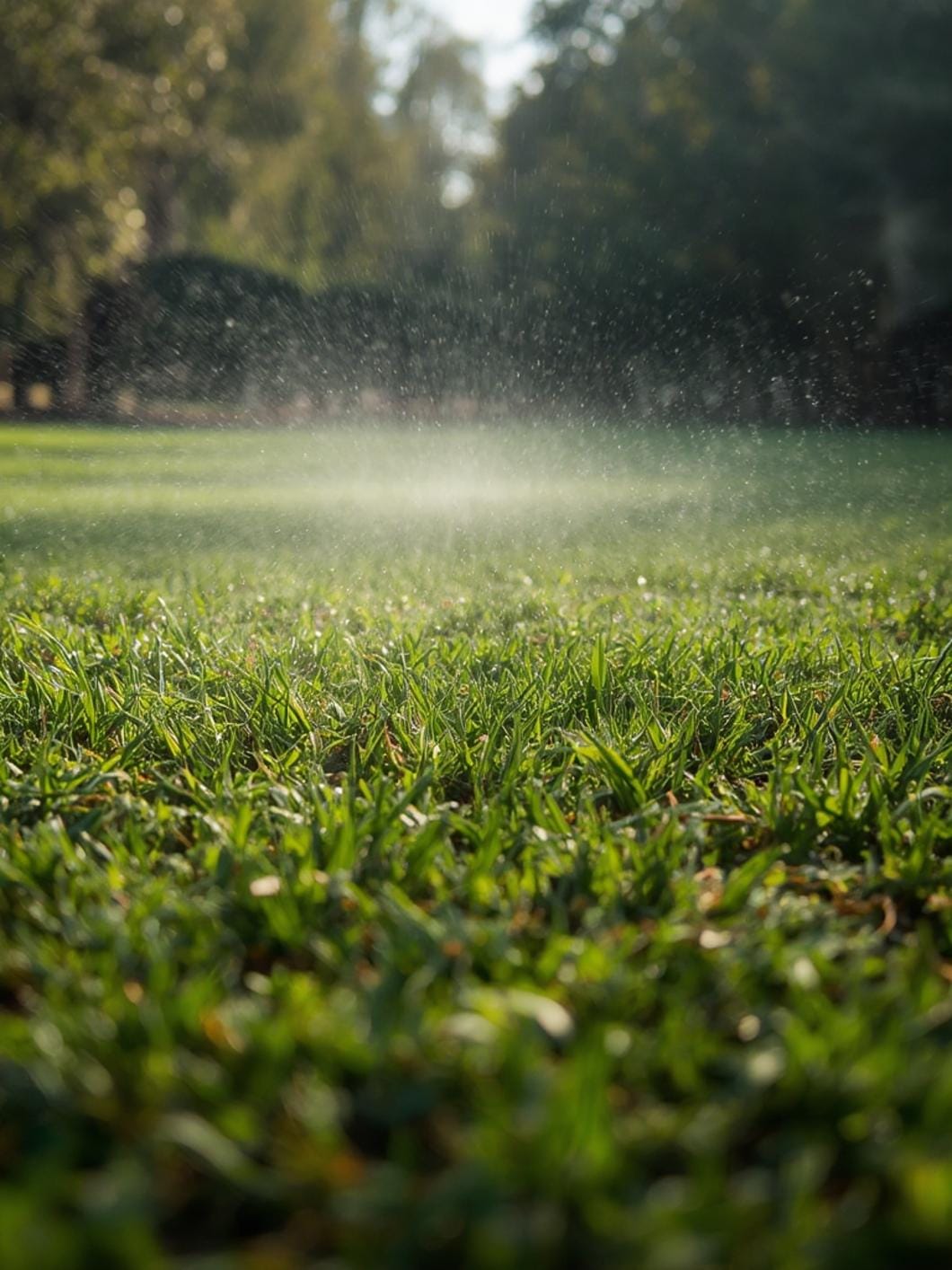
Hydroseeding Application: 30–60 minutes for 1,000 sq ft using a hydroseeder.
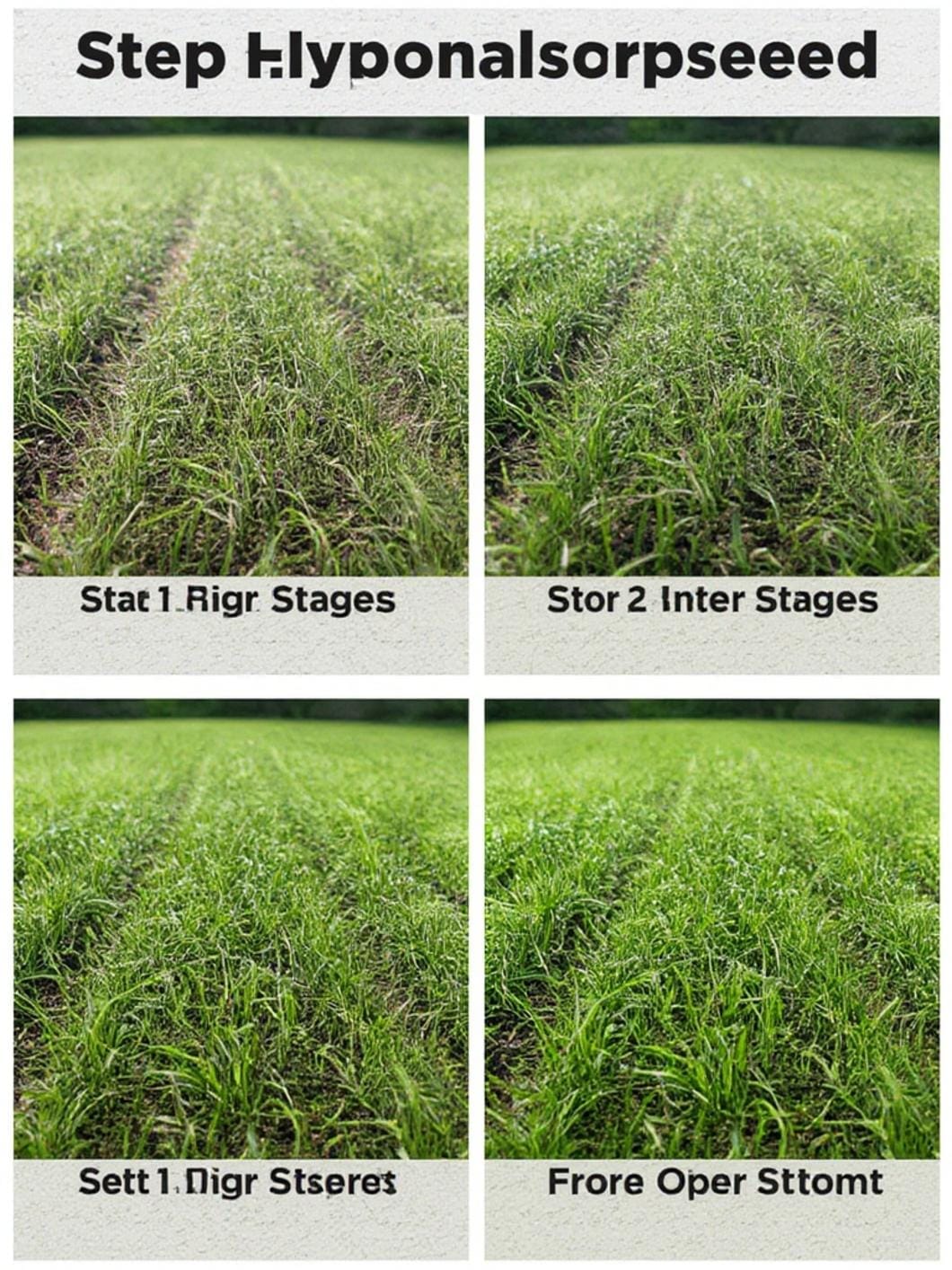
Germination: 5–7 days with daily watering.
First Mowing: 4–6 weeks post-application.
Full Coverage: 90–120 days, versus 6+ months for conventional seeding.
Step-by-Step Instructions
- Prep the Soil: Remove rocks/weeds, till compacted areas, and grade slopes. Test pH (aim for 6.0–7.0).
- Mix the Slurry: In your hydroseeding machine, combine water, mulch, seed, fertilizer, and tackifier. Mix for 5–10 minutes.
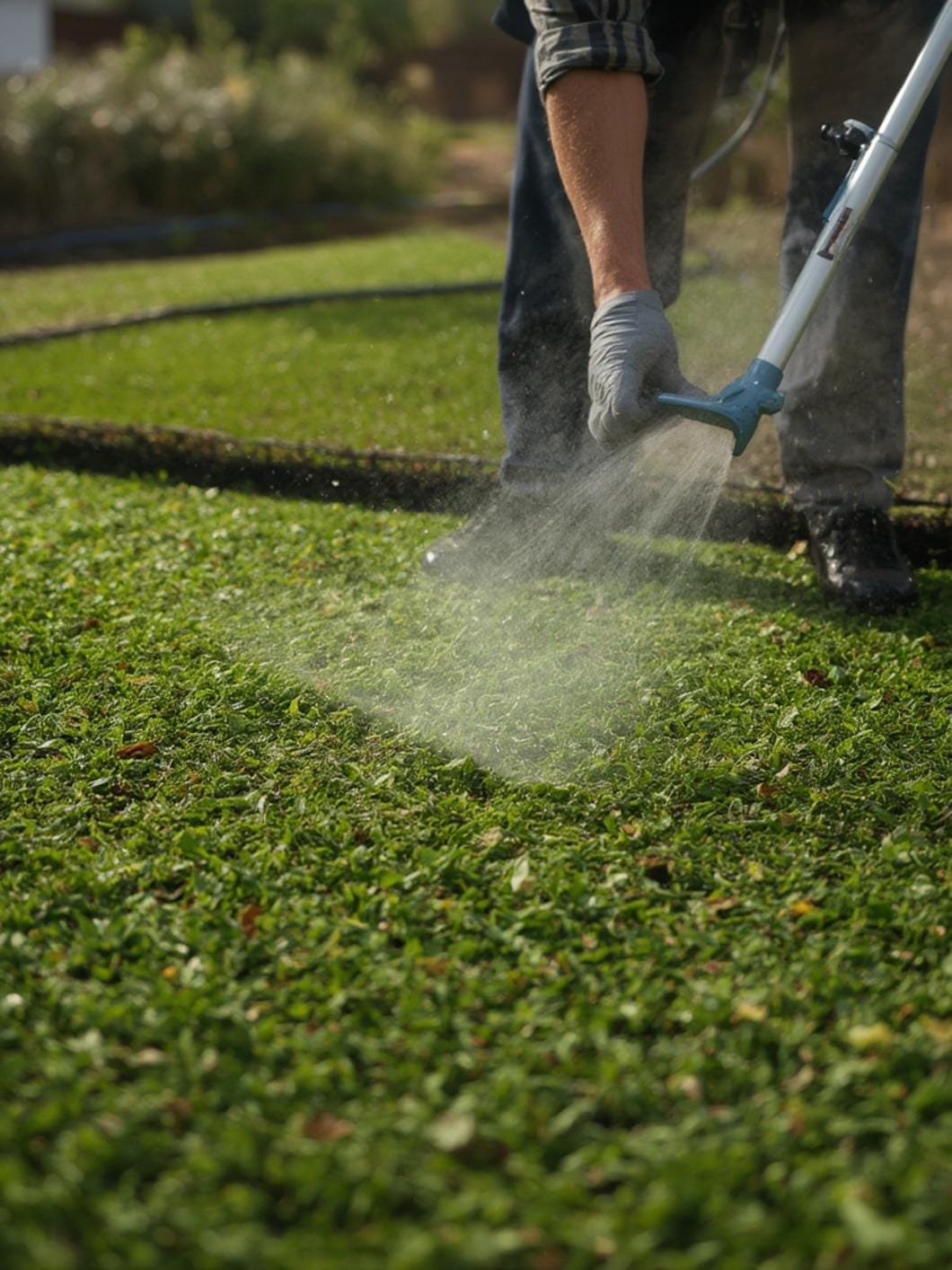
- Apply Evenly: Spray slurry in overlapping rows 5–8 ft wide. Keep nozzle 3–4 ft above ground. Tip: Work uphill on slopes to avoid runoff.
- Water Daily: Mist lightly 2–3 times/day for 2 weeks. Avoid puddling.
- Monitor Growth: Apply balanced fertilizer at 4 weeks. Spot-treat weeds manually.
Benefits / Advantages
- Cost-Effective: Saves 50–80% vs. sodding.
- Erosion Control: Stabilizes soil instantly on hills/construction sites.
- Customizable: Optimize seed-to-mulch ratios for drought tolerance or quick growth.
- Eco-Friendly: Uses 90% less water than traditional seeding long-term.
Tips, Alternative Methods, or Expert Advice
- Budget Hack: Rent a hydroseeder for $300/day vs. buying ($3K+).
- Slope Solutions: Add jute netting under slurry for extreme inclines.
- Small Areas: Use a handheld hydrosprayer for under 500 sq ft.
- Winter Prep: Hydroseed in late fall; the slurry lies dormant until spring.
Common Mistakes to Avoid
- Poor Seed Selection: Using generic blends that clash with local climates. Fix: Consult your county extension office for recommendations.
- Overwatering: Flooding seeds delays germination. Fix: Use a timer for 5-minute mist cycles.
- Ignoring Weather: Applying slurry before heavy rain washes it away. Fix: Check 48-hour forecasts.
Storage / Maintenance / Ongoing Care Tips
- Clean Thoroughly: Flush the hydroseeder tank with clean water post-use to prevent clogs.
- Winterize Equipment: Drain hoses and store in a dry place to avoid cracking.
- Mulch Storage: Keep unused mulch in airtight containers to block moisture.
- Engine Care: Change hydroseeder oil/filters per manufacturer guidelines.
Conclusion
Hydroseeding is your shortcut to a vibrant, resilient lawn without breaking the bank. By leveraging the efficiency of a hydroseeder, you’ll save time, conserve resources, and enjoy greener results. Ready to transform your yard? Share your hydroseeding journey in the comments below!
FAQs
Q: How much does hydroseeding cost per square foot?
A: Typically $0.06–$0.20/sq ft vs. sod’s $0.30–$0.80/sq ft.
Q: Can I hydroseed over existing grass?
A: No—remove old turf first to ensure seed-to-soil contact.
Q: Is hydroseeding safe for pets?
A: Yes! Slurry components are non-toxic. Restrict access until mulch dries (24–48 hours).
Q: What’s the best season to hydroseed?
A: Early fall or spring—avoid extreme heat/frost.
Q: Will I need to reseed bare spots?
A: Rarely—hydroseed’s uniform coverage minimizes gaps. Touch up with a slit seeder if needed.